


Reducing Opioid Use After Joint Replacement Surgery
The aphorism ‘Knowledge is power’ rings true when it comes to recovery from joint replacement surgery. Performing a technically perfect operation is only one factor in an excellent outcome. The path to recovery is not without its challenges, and managing post-surgery pain plays a crucial role in your recovery process.
All patients experience pain to various degrees after hip and knee joint replacement surgery. The goal of ‘pain relief’ is to strike a balance between sufficient pain control to allow for rehabilitation exercises and mobility while avoiding the side effects of analgesia (pain relief) medications. Everyone responds differently to pain-relieving medications, and these factors need to be accounted for while managing pain in the post-surgery period. Dr. Cohen and his team use an evidence-based approach to personalise your pain relief to the medications that best suit your recovery from surgery.
Strategies to manage pain after surgery actually start before your operation. Pre-habilitation, strengthening and reducing muscle loss during the stress of surgery are crucial to allowing early mobilisation following joint replacement surgery. Early mobilisation, in turn, is associated with a more rapid recovery and reduced pain.
While we typically think of pain control by medications only, there are successful non-medicinal strategies such as swelling control with cold compression, knee flexion pillows and tourniquet-free joint replacement that Dr. Cohen uses to reduce your pain after surgery.
The current trend in pain relief following joint replacement surgery is termed ‘multi-modal analgesia’, an evidence-based strategy that utilises medications targeting the pain pathway at several different levels.
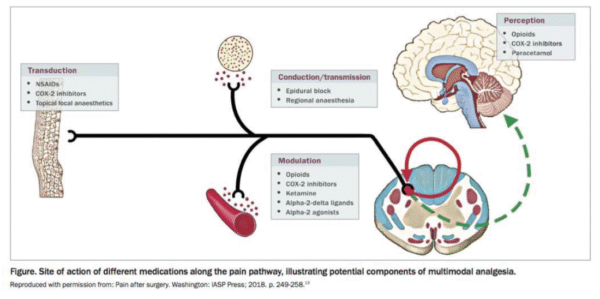
Opioids have traditionally been prescribed to manage strong pain following joint replacement surgery. These medications have several side effects and addictive potential. Opioid medications should complement other pain medications such as paracetamol and celecoxib, or ibuprofen.
This article explores the risks associated with opioid use, practical alternatives for pain management, and how healthcare providers like Dr. Dan Cohen can support you in achieving a smoother, safer recovery.
The Risks of Opioid Use After Surgery
Opioids, such as oxycodone or morphine, have long been used to treat pain after surgery. While these medications can provide temporary relief, they carry several risks that patients should be aware of.
Opioid Dependency
Opioids are highly addictive. Dependency can develop rapidly and is one of the primary reasons patients are encouraged to limit their opioid use, and is the first pain-relieving medication to be stopped after surgery.
Side Effects and Complications
Common side effects of opioids include nausea, dizziness, constipation, and drowsiness. More severe complications may include overdose and respiratory depression, where breathing slows dangerously, or an increased risk of falls and injury due to impaired coordination.
Wider Health Impact
Research indicates that prolonged opioid use can negatively impact your immune system, mental health, and overall well-being. For these reasons, limiting your reliance on opioids is essential to ensure a healthier, more sustainable recovery.
By understanding these risks, patients can feel more empowered to explore alternative pain management options.
Alternative Pain Management Strategies
Reducing opioid use doesn’t have to mean increased pain. There are several effective, non-opioid strategies available to manage discomfort and support your recovery. From physical therapy to nutrition and mind-body techniques, small changes can make a big difference.
Physical Therapy and Exercise
Physical therapy plays a central role in joint replacement recovery. Working with a physiotherapist allows you to follow a tailored exercise program that helps reduce pain, improve mobility, and speed up healing.
- Activities like walking, gentle stretching, or using a stationary bike help strengthen muscles and improve circulation.
- Therapists may recommend specific movements to alleviate joint stiffness and prevent complications, such as the formation of scar tissue.
- Applying ice packs can reduce swelling and acute pain, while heat therapy is excellent for relaxing tight muscles.
Mindfulness and Relaxation Techniques
Pain isn’t purely physical; it also has a psychological component. Mind-body practices can complement other treatments, helping to manage pain more effectively without relying on medication.
- Focused breathing exercises and mindfulness meditation have been shown to reduce pain perception and stress.
- Visualising calm, relaxed scenarios can shift attention away from pain and promote a sense of well-being.
- Modified poses can enhance flexibility, improve circulation, and promote relaxation.
- Box breathing is another effective technique that can assist with better relaxation and sleep.
Nutrition for Recovery
Proper nutrition is a powerful tool for managing inflammation and improving your body’s ability to heal.
- Omega-3 fatty acids, found in foods such as salmon, walnuts, and flaxseeds, are known for their anti-inflammatory properties.
- Lean meats, eggs, and legumes support tissue repair and muscle strength.
- Vitamin C and Zinc, found in broccoli, citrus fruits, and nuts, enhance your body’s wound-healing ability.
- Drinking plenty of water helps flush toxins, maintain energy levels, and support tissue repair.
Over-the-Counter Medications
For many patients, over-the-counter pain relievers such as paracetamol or nonsteroidal anti-inflammatory drugs (NSAIDs) provide adequate pain control and can be a safer alternative to opioids.
Always consult your doctor to determine the correct dosage for your condition and avoid long-term use without their guidance.
The Role of Healthcare Providers in Pain Management
Your healthcare team plays an essential role in helping you manage pain and recover safely after joint replacement surgery. Here’s how they can support your efforts to reduce opioid use.
- Personalised Pain Management Plans
Dr. Dan Cohen and his team work closely with patients to create customised plans tailored to their individual needs. Pain management strategies may vary depending on factors such as your age, health history, and the specific joint replacement procedure.
- Education on Pain Expectations
Understanding what to expect in terms of post-surgery discomfort can help reduce anxiety and improve your pain tolerance. Knowing that some level of soreness is normal can make it easier to rely on alternative methods rather than opioids.
- Monitoring and Adjustments
Regular check-ins with your provider ensure that your pain management plan remains effective. After surgery, you will be seen while in the hospital, and a pain management plan will be formulated for discharge. You will be reviewed again at 2 weeks to check your wound healing and review your current medications. At this appointment, we discuss strategies to reduce (wean) and stop opioid medications.
- Team-Based Care
Dr. Dan Cohen collaborates with a multidisciplinary team, including anaesthetists, physiotherapists, nurse practitioners, and occupational therapists, to provide holistic care. This comprehensive approach gives patients access to a wide range of resources and services, ensuring their recovery is as smooth and safe as possible.
Take Control of Your Recovery
Reducing opioid use after joint replacement surgery is achievable with the right strategies and support. By prioritising physical therapy, adopting non-opioid alternatives, and working closely with your healthcare team, you can recover safely while minimising the risks associated with opioids.
If you’d like to discuss personalised pain management strategies or need additional guidance, Dr. Dan Cohen and his dedicated team are here to help. Contact us today to schedule a consultation and take the first step toward a safer, more confident recovery experience.