

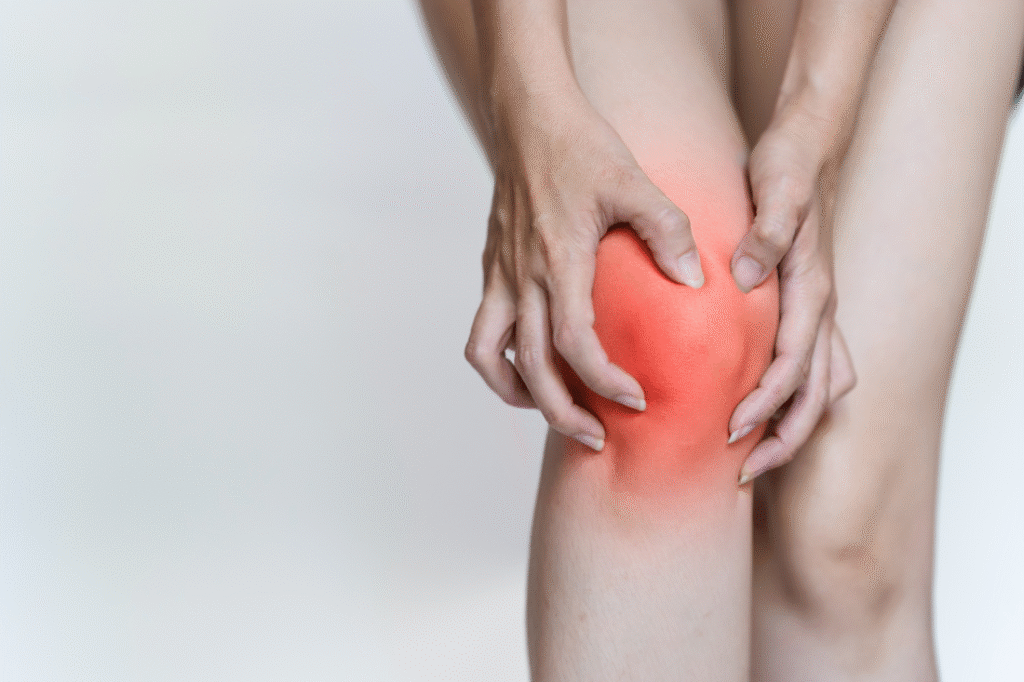
Understanding Arthritis: Types, Symptoms & Modern Treatments in Sydney
Arthritis is one of the most common health conditions affecting Australians, often bringing with it persistent joint pain, stiffness, and functional disability. If you’re experiencing these symptoms, you are not alone. Understanding the condition is the first step toward managing it effectively.
This guide breaks down the different types of arthritis, their symptoms, and the modern treatments available right here in Sydney. With the right information and expert care from an orthopaedic specialist like Dr. Dan Cohen, you can find a path to relief and improved mobility.
What Exactly is Arthritis?
At its core, arthritis is a medical term for joint inflammation, but it represents several different conditions that affect the joints and surrounding tissues. While it can affect people of all ages, it becomes more prevalent as we get older. For a more detailed explanation of the condition, you can explore our comprehensive guide What is arthritis?
The Main Types of Arthritis
While many forms of arthritis exist, osteoarthritis is the most common joint disease in Australia. Inflammatory or autoimmune arthritis (Rheumatoid, Lupus, Psoriatic) and crystalline arthritis round out the top 3 most common forms of arthritis leading to hip and knee joint pain and discomfort.
Osteoarthritis
Osteoarthritis (OA) is the most widespread form of arthritis. It is often described as a “wear and tear” condition where the protective cartilage that cushions the ends of your bones wears down over time. Osteoarthritis is by far the most common indication for hip and knee joint replacement surgery in Australia.
Rheumatoid Arthritis
Unlike osteoarthritis, Rheumatoid Arthritis (RA) is an autoimmune disease. This means the body’s immune system mistakenly attacks its own tissues, specifically the lining of the joints (synovium). This attack causes inflammation that can lead to cartilage and ligament damage, chronic pain, and deformity. RA often affects multiple joints symmetrically and first manifests in the small joints of the hand and feet. Disease-modifying anti-rheumatic medications, including biologic medications, have revolutionised treatment and slowed the progression of all autoimmune arthropathies.
Gout
Gout is a type of inflammatory arthritis characterised by sudden and severe attacks of pain. The great toe is the most common site for symptoms, but gout or crystal arthropathy can affect any joint in the body. Gout is specifically caused by a build-up of uric acid crystals in the joint, leading to synovitis, an inflamed joint lining. The joint inflammation similarly leads to destruction of the cartilage lining of the joint and development of symptoms such as pain, swelling and stiffness. Gout is caused by genetic factors and lifestyle factors. Certain foods and alcohol increase the risk of developing gout, and while medications can help, lifestyle modification is one of the main treatment modalities.
Recognising the Symptoms of Arthritis
Symptoms can vary depending on the type of arthritis, but several common signs may indicate it’s time to seek medical help:
- Pain
- Swelling, heat and redness
- Stiffness or Loss of motion
- Change in the shape of your joint
- Difficulty with day-to-day activities- standing, walking, stairs
Modern Treatments for Arthritis in Sydney
Arthritis is a progressive problem and rarely, if ever, reversible. The treatment for arthritis depends on the severity of the symptoms, imaging findings and patient age. Before considering surgery, non-operative management is maximised to reduce or manage the symptoms while slowing the progression of wear and tear in the joint. Broadly, non-surgical management is focused on strengthening and off-loading the affected joint, while using pain medications and injections to manage the severe flare-ups.
Non-Surgical Options
For many patients, managing arthritis without surgery is the primary goal. Effective non-surgical treatments include:
Medications
Paracetamol and anti-inflammatory medications can reduce pain and swelling. Opioid type medications are not recommended and are associated with inferior outcomes if progressing to joint replacement surgery.
For autoimmune arthritis, a specialised class of medications called disease-modifying anti-rheumatic drugs, including biologics, can target the immune system to slow the progression of inflammatory disease. They have revolutionised the management of inflammatory arthritis.
Lifestyle Changes
Maintaining a healthy weight reduces stress on your joints, particularly the knees and hips. Similarly, modifying your activities to ‘low impact’ exercises such as an exercise bike, swimming, yoga, and pilates helps improve strength, maintain fitness and is more gentle on the hips and knees.
A tailored exercise program designed by a physiotherapist can strengthen the muscles surrounding the joints, providing better support and stability, off-loading the affected joint.
Injections
All injection options can only provide temporary symptom relief. Corticosteroid injections offer short-term relief by reducing joint inflammation and pain. Another option, called viscosupplementation, involves an injection of a joint lubricant called Hyaluronic acid. The aim is to restore the thick lubricant that lines the joint surfaces, allowing smoother movement and avoiding friction damage. This is analogous to engine oil that helps the engine parts move seamlessly. Viscosupplementation is more effective in the early stages of arthritis.
Platelet-rich plasma (PRP), a super-concentrated injection of naturally occurring factors, is effective in reducing inflammation in the joint and can similarly be indicated in early arthritis. Not all preparations of PRP are the same, and patients often require several injections to maximise benefit.
Surgical Options
When non-surgical treatments no longer provide adequate relief and your quality of life is significantly impacted, surgery may be the best path forward. The surgical hierarchy includes joint-preserving and joint-replacing procedures. The choice of surgical procedure depends on age, severity of symptoms and arthritis on your imaging.
Take Control of Your Joint Health
Arthritis is a common condition, but it doesn’t have to control your life. With early diagnosis and access to modern treatments, it is highly manageable. An accurate clinical assessment is the first step towards finding the right solution for your pain and mobility goals.
If you’re experiencing symptoms of arthritis, book a consultation with Dr Dan Cohen, a specialist hip and knee orthopaedic surgeon with convenient locations in Kogarah and Bondi Junction, offering services to patients across the Sydney area. Dr Cohen’s focus is tailoring a bespoke, evidence-based treatment plan to match your goals, whether or not you are ready to proceed with surgery.