

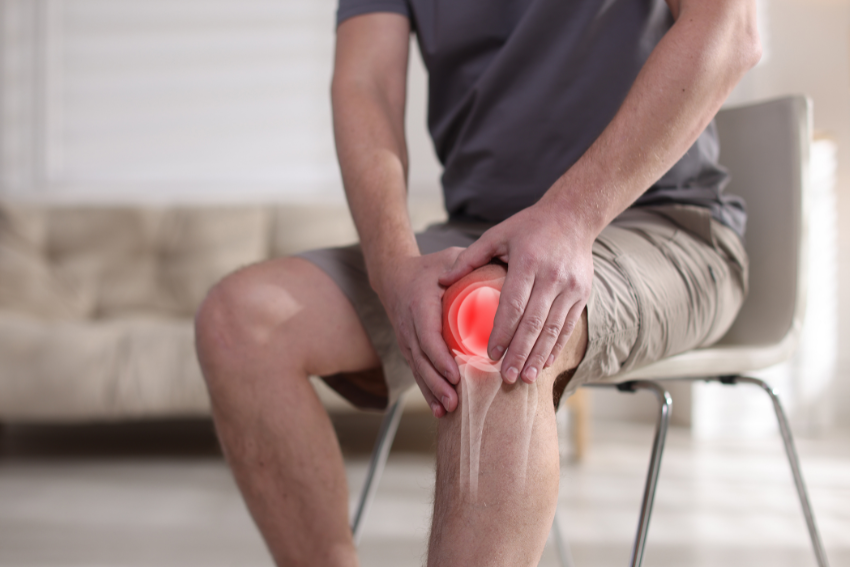
What Causes Arthritis Flare-Ups & How to Manage Triggers
Living with arthritis often means navigating unpredictable shifts in how your body feels. You might experience a wonderful stretch of relatively pain-free days, moving with ease and enjoying your regular activities. Then, seemingly out of nowhere, you wake up with sudden stiffness, visible swelling, and intense, restrictive aching in your joints. These sudden, sharp increases in symptom severity are known in the medical community as flare-ups.
Experiencing an arthritis flare-up is incredibly frustrating. It can force you to cancel plans, miss work, or step back from the sports and hobbies you love. However, these painful episodes do not occur completely at random. Understanding exactly what causes arthritis flare-ups is the foundational step toward achieving consistent, long-term comfort.
While you cannot always cure the underlying arthritic condition, you can absolutely control the environmental and physical factors that make it worse. By learning to anticipate these spikes in pain, you can take proactive steps to protect your joints. In this comprehensive guide, we will outline the primary causes behind sudden joint pain, provide actionable steps to identify your unique patterns, and share effective, evidence-based strategies for keeping your symptoms at bay.
Common Triggers: What Worsens Your Joint Pain?
Arthritis inflammation is a complex biological response. Specific environmental, physical, and emotional factors act as direct catalysts for this inflammation, triggering a cascade of pain and stiffness. Recognising these common arthritis pain triggers can help you anticipate and actively prevent severe episodes before they begin.
Weather Changes and Barometric Pressure
For generations, people with arthritis have claimed they can predict a storm simply by the ache in their knees or hips. Modern science supports this connection. Many patients report that damp, cold weather or sudden drops in barometric pressure make their joints ache significantly.
Barometric pressure refers to the weight of the atmosphere pressing down on our bodies. When a storm system rolls in, this pressure drops. It is believed that this sudden decrease in pressure causes the sensitive tissues surrounding your joints to expand. Because the joint space is already compromised by arthritis, this expansion creates extra internal pressure, leading to noticeable swelling and pain.
Diet and Inflammatory Foods
What you put on your plate directly affects systemic inflammation throughout your body. Food is not just fuel; it acts as an instruction manual for your cells.
Highly processed foods, refined carbohydrates, and artificial sugars are notorious for triggering the release of inflammatory messengers called cytokines. Furthermore, consuming excessive amounts of red meat and alcohol can aggravate your immune system, leading directly to an arthritis flare-up. For many individuals, a weekend of heavy eating and drinking translates directly into a week of swollen, aching joints.
Stress and Emotional Strain
Your mind and your physical body are deeply, inextricably connected. When you experience high levels of psychological stress, your body enters a “fight or flight” state.
During this response, your adrenal glands release stress hormones, including cortisol. While cortisol is helpful in short bursts, chronic emotional stress keeps these chemical levels elevated. This constant state of high alert prompts your immune system to release inflammatory chemicals into your bloodstream, which ultimately settle in your vulnerable joints. A stressful week managing deadlines at work or dealing with family issues can easily trigger a very real, very physical arthritis flare-up.
Overuse and Physical Strain
Pushing your body beyond its current physical limits is a guaranteed way to irritate arthritic joints. This often happens to “weekend warriors”, individuals who are relatively sedentary during the week but engage in intense physical activity on Saturdays and Sundays.
A sudden weekend of heavy gardening, carrying heavy bags of soil, or attempting a high-impact sport places massive mechanical stress on joints that lack proper conditioning. This overworks the protective cartilage and surrounding tissues, resulting in micro-traumas. Your body responds to these micro-traumas with acute inflammation, leading to a painful flare-up that can take weeks to fully resolve.
Lack of Movement and Prolonged Sitting
Interestingly, doing too little can be just as harmful to your joints as doing too much. Human joints are designed to move. Weakness increases joint pain. Movement stimulates the production of synovial fluid, a thick liquid that acts as a natural lubricant and shock absorber inside the joint.
Prolonged periods of sitting at a desk, resting on the couch, or driving long distances can make the joints incredibly stiff. When you finally do attempt to stand up and walk, a lack of lubrication and muscle support makes the movement feel stiff, grinding, and painful.
How to Identify Your Unique Triggers
Arthritis is a highly individualised condition. What causes severe, debilitating pain for one person might not affect another person at all. You might find that cold weather severely impacts your knees, while your diet has little to no noticeable effect.
Pinpointing your specific triggers empowers you to make targeted, effective lifestyle adjustments. You must become a detective regarding your own health. Here is how you can systematically identify the factors causing your flare-ups.
Keep a Detailed Symptom Journal
Relying on your memory is often insufficient when dealing with chronic pain. Keep a daily symptom journal dedicated entirely to your joint health. Record your pain levels on a scale of one to ten each morning when you wake up, and again each evening before bed. Make a note of which specific joints are aching, whether they are visibly swollen, and how stiff they feel when you first try to move them.
Log Your Daily Activities and Diet
Alongside your pain scores, note the external factors of your day. Write down what you ate for your main meals and snacks. Record how much you exercised, including the type and duration of the activity. Note the current weather conditions, particularly if there are sudden temperature drops or incoming storms. Finally, rate your general stress levels for the day.
Look for Delayed Reactions and Patterns
After a few weeks of consistent journaling, sit down and review your notes to look for recurring patterns. Keep in mind that flare-ups often operate on a delay. You might notice that your pain consistently spikes 24 to 48 hours after eating a highly processed meal, or two days following a highly stressful event.
If writing in a physical notebook feels tedious, you can utilise dedicated mobile health applications. Many apps are specifically designed for arthritis patients, allowing you to quickly log your meals, mood, physical activity, and pain levels with just a few taps.
Management Strategies: Taking Action Against Pain
Once you understand exactly what triggers your arthritis, you can build a proactive toolkit for managing your condition. You do not have to wait passively for the pain to strike; you can take preventative action.
Implement Targeted Lifestyle Modifications
Pacing yourself is crucial when engaging in physical activities. If you have a large task, such as deep-cleaning your house or landscaping your garden, do not attempt to finish it in a single afternoon. Break the work up into smaller, manageable chunks spread over several days, and take frequent sitting breaks.
Additionally, focus on adopting an anti-inflammatory diet to support your joint health from the inside out. The Mediterranean diet is widely considered exceptional for arthritis management. Focus on consuming omega-3 fatty acids found in fatty fish like salmon, plenty of dark leafy greens, olive oil, and whole grains. Maintaining a healthy body weight through this diet also significantly reduces the mechanical load placed on weight-bearing joints like your hips and knees.
Prioritise Physical Therapy and Safe Movement
A targeted physical therapy programme is one of the most effective tools for preventing arthritis flare-ups. A qualified physiotherapist will help you strengthen the specific muscles surrounding your arthritic joints. Strong muscles act as a natural, biological shock absorber, taking the pressure off the damaged cartilage.
Your physiotherapist can also teach you vital joint protection techniques, showing you how to lift, walk, and move in ways that minimise internal joint stress. They will likely prescribe a routine of low-impact exercises, such as swimming, stationary cycling, or hydrotherapy. These activities keep your joints mobile and well-lubricated without causing the impact damage associated with running or jumping.
Medical Management and Acute Relief
When lifestyle changes and physical therapy are not quite enough to control a severe flare-up, medical management plays a vital role. Nonsteroidal anti-inflammatory drugs (NSAIDs) can help quickly reduce acute swelling and pain during a bad episode. Applying ice packs to a hot, swollen joint can numb the area and restrict blood vessels, reducing inflammation. Conversely, applying a heat pack can help relax stiff, tense muscles surrounding the joint.
Always work closely with an orthopaedic professional to ensure your medication and management strategy are safe, effective, and tailored specifically to your exact diagnosis and medical history.
If, despite these interventions, you find that joint pain continues to severely disrupt your daily activities or consistently interrupts your sleep, it may be appropriate to consider joint replacement surgery. Surgery is generally indicated when non-surgical management has been exhausted, and your quality of life is significantly compromised by ongoing flare-ups or persistent pain. Discussing surgical options with your orthopaedic specialist ensures you receive guidance tailored to your unique needs and circumstances.
Better Joint Health Begins Today
Managing arthritis pain is an ongoing, lifelong process, but you certainly do not have to do it alone. Implement these daily tracking strategies, adjust your physical routines, and focus on providing your body with anti-inflammatory nutrition.
For personalised advice and expert orthopaedic care, reach out to Dr. Dan Cohen. Working with a specialist ensures that you have access to the latest evidence-based management strategies. Taking control of your triggers today means you can look forward to enjoying more comfortable, active, and pain-free tomorrows.